
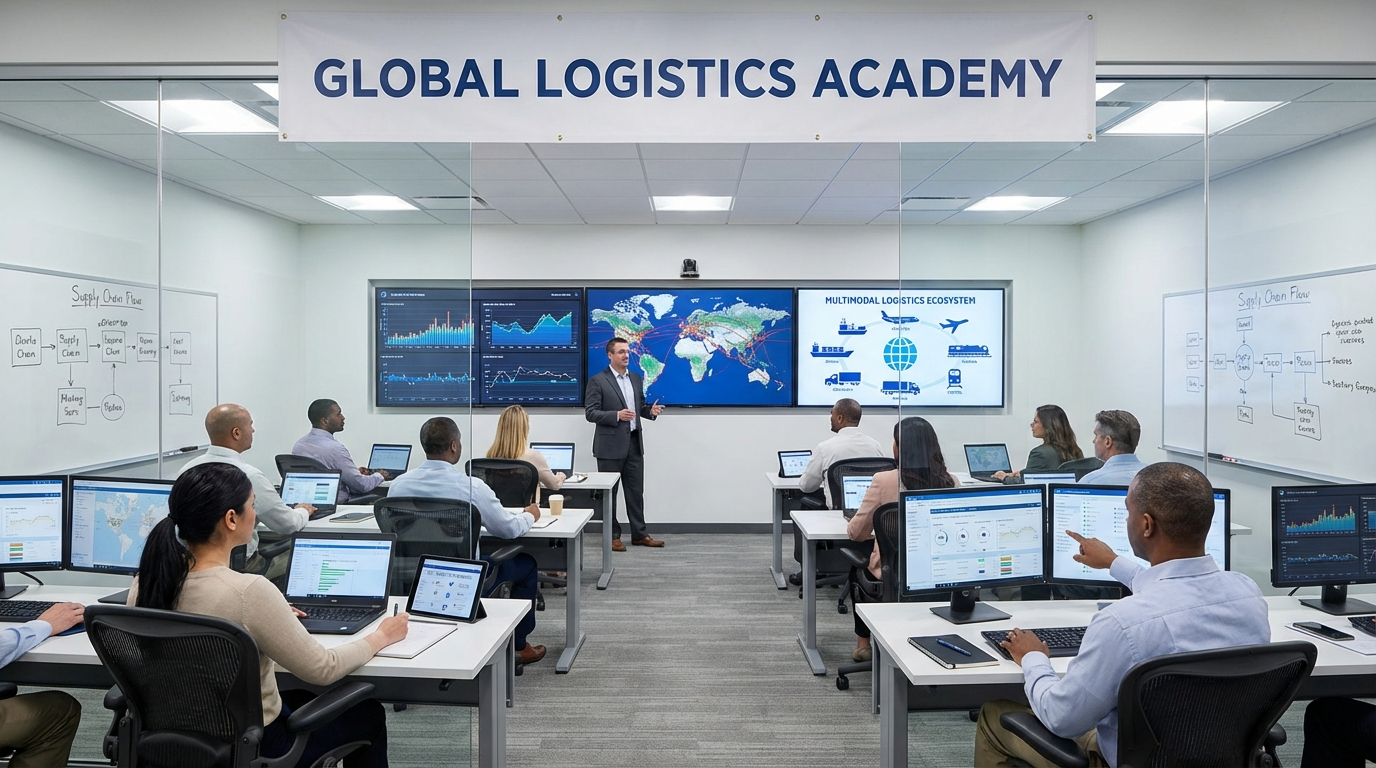
Transport and Logistics Management Training
$5500.00
Transport and Logistics Management Training Course
5-Day Professional Development Programme
Navigate the Future of Transportation & Logistics in MENA and Africa
As the GCC freight and logistics market accelerates toward USD 79 billion by 2033 and the Middle East & Africa logistics sector grows at 5.62% CAGR, transportation and logistics professionals face unprecedented opportunities and challenges. This comprehensive 5-day Transport and Logistics Management training course equips professionals across Saudi Arabia, Oman, GCC nations, and Africa with advanced competencies to optimize operations, leverage emerging technologies, and drive strategic excellence in rapidly transforming regional markets.
With Saudi Arabia’s transportation sector valued at USD 30.9 billion, massive infrastructure investments including the Saudi Landbridge, GCC Railway connecting all Gulf states by 2026, and Oman’s Duqm Port expansion, organizations urgently need skilled logistics leaders who understand regional complexities, international best practices, and digital transformation imperatives shaping the industry’s future.
COMPREHENSIVE 5-DAY COURSE OUTLINE
DAY 1: Fundamentals of Transport & Logistics Management
Module 1.1: Introduction to Modern Logistics Management
Comprehensive overview of end-to-end logistics operations encompassing transportation, warehousing, inventory management, order fulfillment, and reverse logistics. Explore the strategic role of logistics in competitive advantage creation, cost optimization, and customer satisfaction enhancement. Understand regional logistics landscape including GCC’s position as global trade hub, Saudi Vision 2030 logistics objectives, Oman’s strategic location for East-West trade corridors, and emerging African logistics opportunities under AfCFTA.
Module 1.2: Transportation Modes & Modal Selection
Master characteristics, advantages, limitations, and cost structures of road, rail, sea, air, and intermodal transportation. Learn decision frameworks for optimal mode selection considering speed requirements, cost constraints, cargo characteristics, and service level expectations. Address regional infrastructure including Saudi Arabia’s extensive highway network, GCC Railway mega-project, Dubai and Jeddah port capacities, and African transport corridor development improving continental connectivity.
Module 1.3: Logistics Network Design & Strategy
Develop strategic frameworks for designing efficient logistics networks balancing service requirements with cost efficiency. Master facility location analysis, hub-and-spoke configurations, cross-docking strategies, and distribution center positioning. Explore regional network optimization opportunities leveraging Saudi Arabia’s National Industrial Development and Logistics Program (NIDLP), UAE free zones, Oman’s Duqm Special Economic Zone, and African logistics hubs in Nairobi, Johannesburg, and Lagos.
Module 1.4: Logistics Cost Management & Performance Metrics
Implement comprehensive cost accounting systems tracking transportation expenses, warehousing costs, inventory carrying costs, and administrative overheads. Master key performance indicators (KPIs) including on-time delivery rates, cost per ton-kilometer, warehouse utilization, inventory turnover, and perfect order fulfillment. Benchmark performance against regional and international standards driving continuous improvement initiatives.
DAY 2: Transportation Management & Fleet Operations
Module 2.1: Fleet Management Excellence
Optimize fleet operations through vehicle selection, maintenance scheduling, driver management, fuel efficiency programmes, and utilization maximization. Learn total cost of ownership analysis, replacement strategies, and telematics applications for real-time fleet tracking. Address regional considerations including extreme temperature impacts on vehicle performance, driver fatigue regulations, and cross-border GCC traffic agreement compliance facilitating seamless regional operations.
Module 2.2: Route Planning & Optimization
Master advanced routing techniques using vehicle routing problem (VRP) algorithms, geographic information systems (GIS), and transportation management software. Implement dynamic routing responding to real-time traffic conditions, delivery time windows, and capacity constraints. Explore last-mile delivery innovations addressing urban congestion in Riyadh, Jeddah, Dubai, Muscat, and major African cities where e-commerce growth drives delivery complexity.
Module 2.3: Freight Management & Carrier Relations
Develop strategic carrier partnerships balancing cost, service quality, and reliability. Master freight rate negotiation, carrier selection criteria, service level agreements, and performance scorecarding. Understand freight forwarding operations, customs brokerage services, and documentation requirements for international shipments across GCC borders and complex African customs environments requiring specialized expertise and regulatory knowledge.
Module 2.4: Transportation Risk Management
Identify and mitigate transportation risks including accidents, cargo damage, theft, delays, and regulatory non-compliance. Implement insurance strategies, cargo tracking systems, security protocols, and contingency planning. Address regional risk factors including geopolitical instabilities affecting Red Sea shipping routes, extreme weather events, infrastructure limitations, and security concerns requiring proactive risk management frameworks.
DAY 3: Warehouse Management & Distribution Operations
Module 3.1: Warehouse Design & Layout Optimization
Master warehouse design principles including flow patterns, zoning strategies, slotting optimization, and material handling equipment selection. Learn space utilization techniques, aisle configuration, and picking methodology optimization. Explore automation opportunities including automated storage and retrieval systems (AS/RS), conveyor systems, and robotics applications increasingly adopted across Saudi Arabia’s modern logistics facilities and UAE’s advanced warehousing infrastructure.
Module 3.2: Inventory Management & Control Systems
Implement effective inventory control methodologies including ABC classification, economic order quantity (EOQ), reorder point calculations, and safety stock optimization. Master cycle counting procedures, accuracy measurement, and inventory valuation methods. Address regional inventory challenges including extended lead times from Asian suppliers, demand volatility during religious holidays, and climate considerations for temperature-sensitive goods requiring sophisticated cold chain capabilities.
Module 3.3: Warehouse Operations & Best Practices
Optimize receiving, putaway, picking, packing, and shipping operations through process standardization, productivity measurement, and continuous improvement initiatives. Implement warehouse management systems (WMS) enhancing operational visibility, accuracy, and efficiency. Learn labor management techniques, performance incentives, and safety programmes ensuring workforce productivity while maintaining world-class health and safety standards required across GCC and African operations.
Module 3.4: Cross-Docking & Consolidation Strategies
Master cross-docking methodologies minimizing inventory holding costs while maintaining service levels. Develop consolidation strategies optimizing truck utilization and reducing transportation expenses. Explore regional applications including port-to-distribution center flows, retail replenishment operations, and pharmaceutical distribution networks requiring rapid throughput and temperature control throughout Middle Eastern and African markets.
DAY 4: Digital Transformation & Technology in Logistics
Module 4.1: Transportation Management Systems (TMS)
Implement comprehensive TMS platforms automating freight planning, execution, settlement, and performance management. Explore system capabilities including load optimization, carrier selection, shipment tracking, and freight audit. Understand integration requirements connecting TMS with enterprise resource planning (ERP), warehouse management, and customer relationship management systems ensuring seamless information flow across logistics operations.
Module 4.2: Supply Chain Visibility & Tracking Technologies
Leverage Internet of Things (IoT) sensors, GPS tracking, RFID technology, and blockchain applications providing real-time shipment visibility. Implement control tower concepts centralizing monitoring and exception management across complex multi-modal transportation networks. Address regional adoption trends including Saudi Arabia’s logistics technology investments, UAE’s smart logistics initiatives, and African mobile technology penetration enabling innovative tracking solutions.
Module 4.3: Automation & Artificial Intelligence Applications
Explore automation technologies transforming logistics including autonomous vehicles, warehouse robotics, drone delivery pilots, and predictive analytics. Understand artificial intelligence applications for demand forecasting, route optimization, predictive maintenance, and intelligent decision support. Learn implementation frameworks balancing technology investments with return on investment considerations relevant to regional market maturity levels and organizational capabilities.
Module 4.4: E-Commerce Logistics & Omnichannel Fulfillment
Design fulfillment strategies supporting explosive e-commerce growth across Saudi Arabia, UAE, and emerging African digital economies. Master omnichannel order management, click-and-collect operations, same-day delivery capabilities, and returns management. Address unique regional requirements including cash-on-delivery prevalence, address standardization challenges, and cultural preferences affecting delivery timing and customer interaction expectations.
DAY 5: Strategic Logistics Management & Future Trends
Module 5.1: International Trade & Customs Compliance
Navigate international trade regulations including incoterms application, customs documentation, harmonized system classification, and valuation methodologies. Master GCC Customs Union procedures, Saudi Fasah platform requirements, Oman Bayan system compliance, and African Continental Free Trade Area (AfCFTA) protocols facilitating intra-regional commerce. Understand free zone operations in Jebel Ali, KAEC, and Djibouti optimizing import duties and streamlining clearance processes.
Module 5.2: Sustainable Logistics & Green Transportation
Implement environmental sustainability initiatives including carbon footprint measurement, alternative fuel adoption, route optimization for emission reduction, and circular economy principles. Address regional sustainability commitments including Saudi Green Initiative, UAE Net Zero 2050 strategy, and growing stakeholder expectations for responsible logistics practices. Learn green warehouse certifications, energy-efficient operations, and sustainability reporting frameworks enhancing corporate reputation.
Module 5.3: Logistics Outsourcing & 3PL/4PL Management
Evaluate build-versus-buy decisions determining optimal logistics service provider engagement. Master third-party logistics (3PL) and fourth-party logistics (4PL) selection criteria, contract negotiation, relationship management, and performance monitoring. Explore regional 3PL landscape including international providers (DHL, Aramex, DB Schenker) and emerging local champions serving GCC and African markets with specialized regional expertise.
Module 5.4: Future of Logistics - Trends & Strategic Planning
Explore transformative trends shaping logistics including autonomous transportation, hyperloop technologies connecting GCC cities, vertical take-off aircraft for urban delivery, and artificial general intelligence revolutionizing planning systems. Understand implications of GCC Railway completion, Saudi Landbridge connecting Red Sea to Arabian Gulf, and African infrastructure development creating continental logistics corridors. Develop strategic roadmaps positioning organizations for competitive advantage in rapidly evolving regional and global logistics landscapes.
Module 5.5: Capstone Project & Action Planning
Participants develop comprehensive logistics improvement plans addressing real organizational challenges. Present strategic initiatives incorporating course concepts, regional best practices, and innovative solutions. Receive peer and instructor feedback facilitating practical implementation supporting career advancement and organizational performance improvement objectives.
TARGET AUDIENCE & IDEAL PARTICIPANTS
✓ Logistics & Transportation Managers
✓ Supply Chain Operations Professionals
✓ Warehouse & Distribution Managers
✓ Fleet & Transport Coordinators
✓ Freight Forwarders & Customs Brokers
✓ Procurement & Sourcing Specialists
✓ Operations & Planning Professionals
✓ Business Development Managers in Logistics
KEY LEARNING OUTCOMES & PROFESSIONAL BENEFITS
Graduates master comprehensive transportation planning, warehouse operations optimization, technology implementation strategies, and strategic logistics management positioning organizations for excellence. Participants gain internationally recognized credentials, practical frameworks immediately applicable to regional challenges, and networking opportunities with logistics leaders across Saudi Arabia, Oman, UAE, and African markets enhancing career prospects in rapidly growing USD 305 billion Middle East & Africa logistics sector.
Professional benefits include enhanced earning potential with certified logistics credentials commanding 15-25% salary premiums, expanded job opportunities across logistics providers, manufacturing, retail, and e-commerce sectors, and leadership readiness for senior management positions driving digital transformation and operational excellence initiatives throughout dynamic regional markets experiencing unprecedented infrastructure investment and logistics innovation.
TRAINING DELIVERY & METHODOLOGY
Interactive learning combines theoretical foundations with extensive case studies from Saudi logistics transformations, GCC cross-border operations, African transport corridors, and regional e-commerce fulfillment networks. Participants engage in simulation exercises, group problem-solving activities, facility virtual tours, and hands-on technology demonstrations ensuring knowledge retention and practical skill development.
Flexible Training Formats:
🚛 In-Person Training: Riyadh, Jeddah, Dammam, Dubai, Abu Dhabi, Muscat, Doha, Kuwait City, Nairobi, Johannesburg, Lagos, Cairo
🚛 Live Virtual Interactive Sessions with Expert Instructors
🚛 Hybrid Blended Learning Programs
🚛 Customized Corporate Training at Client Facilities
CERTIFICATION & PROFESSIONAL RECOGNITION
Comprehensive training certificate with CPD credits awarded upon successful completion. Course aligns with CILT (Chartered Institute of Logistics and Transport), CSCMP standards, and international logistics best practices. Programme prepares professionals for advanced certifications including Certified Logistics Professional (CLP), Certified Trade & Logistics Expert (CTLE), enhancing credentials valued throughout competitive Middle Eastern and African logistics job markets projected to reach USD 95.2 billion in UAE alone by 2033.
COMPREHENSIVE TRAINING PACKAGE
📦 Transport & Logistics Management Manual (400+ pages)
📦 Case Study Collection - Regional Focus
📦 Excel Templates for Route Optimization & Cost Analysis
📦 Logistics KPI Dashboard Templates
📦 Digital Resource Library with Industry Reports
📦 TMS & WMS Software Demo Access
📦 Post-Training Consultation Support (30 Days)
Secure Your Future in one of the world’s fastest-growing logistics markets. Register today for this transformational Transport and Logistics Management training positioning you for leadership success across Saudi Arabia, Oman, GCC, and Africa’s dynamic USD 305+ billion logistics opportunity.