Electric Power Generation Masterclass
$3500.00
Electric Power Generation Masterclass: 5-Day Intensive Training Course
Course Overview
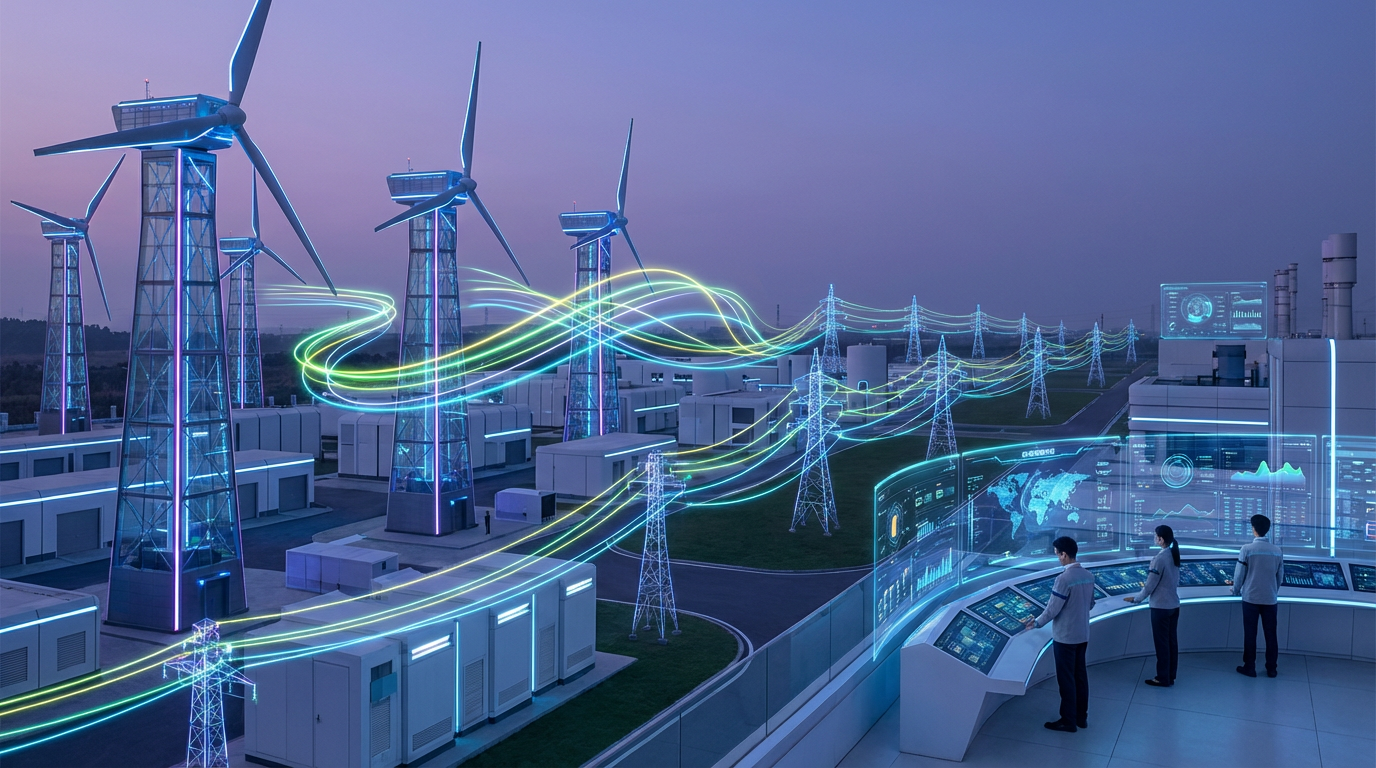
This comprehensive Electric Power Generation Masterclass delivers essential knowledge for professionals seeking expertise in modern power generation technologies, operational management, and industry best practices. Designed for engineers, technical managers, and energy professionals, this intensive 5-day program covers conventional and renewable energy systems, grid integration, and emerging trends in the power generation sector.
Who Should Attend This Power Generation Training?
Electrical Engineers working in power plants and utilities
Mechanical Engineers involved in energy systems
Operations Managers in power generation facilities
Energy Consultants and project developers
Maintenance Supervisors and technical specialists
Recent Engineering Graduates entering the power industry
Policy Makers involved in energy planning
Course Objectives
Participants will gain comprehensive understanding of:
Fundamental principles of electric power generation systems
Operational characteristics of thermal, hydro, nuclear, and renewable plants
Power plant efficiency optimization techniques
Grid integration and transmission fundamentals
Safety protocols and environmental compliance
Modern control systems and automation technologies
Future trends in sustainable energy generation
Day 1: Fundamentals of Electric Power Generation
Morning Session: Introduction to Power Systems
Topics Covered:
Overview of global electricity demand and generation capacity
Basic principles of electromagnetic induction and power generation
Types of power plants: thermal, hydro, nuclear, renewable
Power generation cycles: Rankine, Brayton, and combined cycles
Energy conversion efficiency fundamentals
Load curves and capacity factors
Learning Outcomes:
Understand the foundation of power generation technologies and their role in meeting global energy demands.
Afternoon Session: Thermal Power Generation
Topics Covered:
Coal-fired power plants: pulverized coal and fluidized bed combustion
Natural gas power plants and gas turbine technology
Boiler systems, steam turbines, and condensers
Heat rate calculations and performance metrics
Fuel handling and combustion processes
Emission control technologies: ESP, FGD, SCR systems
Practical Component:
Case study analysis of modern thermal power plant operations and efficiency improvements.
Day 2: Renewable Energy Systems
Morning Session: Solar and Wind Power Generation
Topics Covered:
Solar photovoltaic systems: technology types and configurations
Concentrated solar power (CSP) plants
Wind energy fundamentals: horizontal and vertical axis turbines
Site selection and resource assessment
Power curve analysis and capacity factors
Inverter technology and grid connection requirements
Afternoon Session: Hydropower and Emerging Technologies
Topics Covered:
Hydroelectric power generation: run-of-river, reservoir, and pumped storage
Turbine types: Francis, Kaplan, Pelton, and bulb turbines
Geothermal power generation systems
Biomass and waste-to-energy technologies
Ocean energy: tidal, wave, and OTEC systems
Hydrogen fuel cells and energy storage integration
Hands-On Activity:
Renewable energy project feasibility analysis and economic evaluation.
Day 3: Nuclear Power and Advanced Generation Technologies
Morning Session: Nuclear Power Fundamentals
Topics Covered:
Nuclear fission principles and reactor physics
Reactor types: PWR, BWR, CANDU, and advanced designs
Nuclear fuel cycle and enrichment processes
Safety systems and containment structures
Radiation protection and safety protocols
Nuclear waste management strategies
Small Modular Reactors (SMRs) and Generation IV concepts
Afternoon Session: Combined Cycle and Cogeneration
Topics Covered:
Combined cycle gas turbine (CCGT) plants
Heat recovery steam generators (HRSG)
Cogeneration and combined heat and power (CHP) systems
Integrated gasification combined cycle (IGCC)
Efficiency optimization in multi-fuel plants
District heating and cooling integration
Workshop:
Performance calculation exercises for combined cycle configurations.
Day 4: Power Plant Operations and Grid Integration
Morning Session: Operational Management
Topics Covered:
Power plant startup and shutdown procedures
Load following and base load operations
Maintenance strategies: preventive, predictive, and corrective
Performance monitoring and diagnostics
Auxiliary systems: cooling water, compressed air, fuel handling
SCADA systems and distributed control systems (DCS)
Cyber security in power generation facilities
Afternoon Session: Grid Connection and Power Quality
Topics Covered:
Electrical grid fundamentals: transmission and distribution
Synchronous generators and excitation systems
Power factor control and reactive power management
Voltage and frequency regulation
Grid codes and interconnection standards
Smart grid technologies and demand response
Energy storage systems integration
Interactive Session:
Grid stability case studies and black start procedures.
Day 5: Sustainability, Economics, and Future Trends
Morning Session: Environmental and Regulatory Compliance
Topics Covered:
Environmental impact assessment for power projects
Emission standards and monitoring requirements
Carbon capture, utilization, and storage (CCUS)
Water management and cooling system alternatives
Lifecycle assessment of generation technologies
International environmental protocols and agreements
Sustainability reporting and ESG considerations
Afternoon Session: Economics and Industry Future
Topics Covered:
Power plant economics: capital costs, O&M, and levelized cost of energy (LCOE)
Investment analysis and project financing
Electricity market structures and pricing mechanisms
Risk management in power generation
Digital transformation: AI, IoT, and predictive maintenance
Energy transition pathways and decarbonization strategies
Hybrid power systems and microgrids
Final Session: Comprehensive Review and Assessment
Activities:
Group presentations on real-world power generation challenges
Interactive Q&A with industry experts
Knowledge assessment and certification exam
Course feedback and professional networking
Course Benefits
Upon completion, participants will:
Master electric power generation fundamentals across all major technologies
Understand operational excellence in power plant management
Apply efficiency optimization techniques to existing facilities
Navigate regulatory and environmental compliance requirements
Make informed decisions on technology selection and investment
Contribute to sustainable energy transition initiatives
Training Methodology
This power generation training course employs:
Expert-led lectures with industry insights
Hands-on calculations and technical exercises
Real-world case studies from operating plants
Interactive group discussions
Virtual plant tours and simulations
Practical problem-solving workshops
Certification
Participants receive a Certificate of Completion recognizing expertise in electric power generation technologies and operational management.
Keywords: electric power generation, power plant training, energy generation course, thermal power, renewable energy, nuclear power, grid integration, power systems engineering, energy management, sustainable electricity