
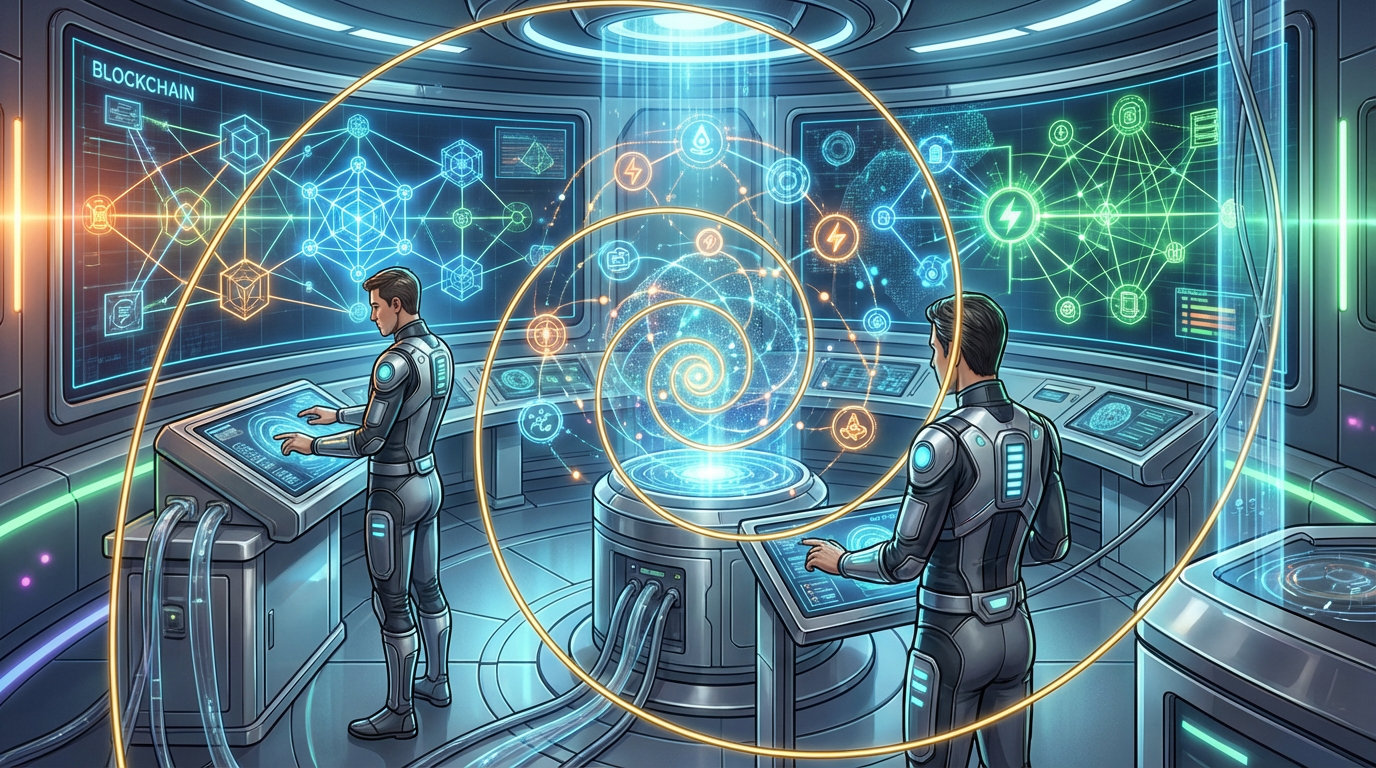
Blockchain in Energy Management
$3500.00
Blockchain in Energy Management: 5-Day Professional Training Course
Course Overview
This innovative Blockchain in Energy Management Training provides comprehensive knowledge of blockchain technology applications in energy systems, peer-to-peer energy trading, smart contracts, renewable energy certificates, and decentralized energy markets. This intensive 5-day program covers blockchain fundamentals, smart grid integration, cryptocurrency for energy transactions, distributed energy resources (DER) management, and implementation strategies for utilities and energy companies.
Who Should Attend This Blockchain Energy Course?
Energy Management Professionals exploring blockchain solutions
Utility Engineers implementing smart grid technologies
Renewable Energy Developers creating trading platforms
Smart Grid Engineers integrating blockchain systems
Energy Trading Analysts in wholesale and retail markets
IT Professionals in energy sector digital transformation
Project Managers leading blockchain energy initiatives
Policy Makers regulating energy blockchain applications
Entrepreneurs developing energy blockchain startups
Course Objectives
Participants will master blockchain fundamentals, distributed ledger technology (DLT) for energy, smart contracts for automated transactions, peer-to-peer energy trading platforms, renewable energy certificate tokenization, grid management with blockchain, cybersecurity considerations, and regulatory frameworks for blockchain energy applications.
Day 1: Blockchain Fundamentals and Energy Sector Context
Morning Session: Introduction to Blockchain Technology
Topics Covered:
Blockchain definition and core concepts
Distributed ledger technology (DLT) fundamentals
Centralized vs. decentralized systems comparison
Blockchain components: blocks, chains, nodes, consensus
Cryptographic principles: hashing, digital signatures, public/private keys
Types of blockchain: public, private, consortium, hybrid
Bitcoin and cryptocurrency basics
Ethereum and smart contract platforms
Blockchain Characteristics:
Immutability and tamper-proof records
Transparency and traceability
Decentralization and disintermediation
Security through cryptography
Consensus mechanisms: Proof of Work (PoW), Proof of Stake (PoS), Proof of Authority (PoA)
Afternoon Session: Energy Sector Challenges and Blockchain Solutions
Topics Covered:
Energy sector transformation drivers: decentralization, digitalization, decarbonization
Traditional energy system limitations and inefficiencies
Centralized grid challenges: single points of failure, high transaction costs
Renewable energy integration challenges
Blockchain value propositions for energy sector
Use cases: P2P trading, grid management, EV charging, RECs, carbon credits
Market opportunities and investment trends
Industry consortia: Energy Web Foundation, LO3 Energy
Energy Blockchain Benefits:
Reduced transaction costs and intermediaries
Enhanced transparency and trust
Automated settlement with smart contracts
Improved data security and privacy
Real-time energy tracking and verification
Workshop:
Identifying blockchain opportunities in participants’ energy organizations.
Day 2: Smart Contracts and Energy Applications
Morning Session: Smart Contracts Fundamentals
Topics Covered:
Smart contracts definition and operation
Self-executing code on blockchain platforms
Ethereum Virtual Machine (EVM) and Solidity programming
Smart contract lifecycle: development, deployment, execution
Gas fees and transaction costs
Oracle problem: connecting blockchain to real-world data
Oracle solutions: Chainlink, Band Protocol
Smart contract security and vulnerabilities
Smart Contract Components:
Triggering conditions and business logic
Automated execution and settlement
Multi-signature requirements
Time-based and event-based triggers
Error handling and exception management
Afternoon Session: Energy Smart Contract Applications
Topics Covered:
Automated energy transactions with smart contracts
Peer-to-peer energy trading agreements
Dynamic pricing and demand response contracts
Renewable energy certificate (REC) issuance and trading
Electric vehicle charging payment automation
Grid balancing service contracts
Energy storage dispatch optimization
Microgrid management and settlement
Smart Contract Examples:
Conditional energy purchase agreements
Time-of-use pricing automation
Renewable energy production verification
Carbon credit generation and trading
Wholesale energy market settlements
Hands-On Lab:
Creating simple energy trading smart contract on Ethereum testnet.
Day 3: Peer-to-Peer Energy Trading and DER Management
Morning Session: P2P Energy Trading Platforms
Topics Covered:
Peer-to-peer energy trading concepts and models
Prosumer-to-prosumer direct transactions
Local energy markets and community trading
Transactive energy frameworks
Blockchain-based trading platforms architecture
Matching algorithms: auction-based, continuous trading
Price discovery mechanisms
Settlement and reconciliation processes
P2P Trading Components:
Smart meter integration and IoT connectivity
Real-time energy production/consumption data
Blockchain transaction recording
Automated clearing and payment
Grid operator interface and balancing
Case Studies:
Brooklyn Microgrid (LO3 Energy, New York)
Power Ledger (Australia)
Sonnen Community (Germany)
WePower (Estonia)
Afternoon Session: Distributed Energy Resources Management
Topics Covered:
DER integration with blockchain platforms
Solar PV tracking and verification
Battery energy storage optimization
Electric vehicle grid integration (V2G)
Virtual power plant (VPP) coordination
Aggregation of distributed resources
Flexibility services and ancillary markets
Grid balancing with blockchain coordination
DER Blockchain Applications:
Asset registration and certification
Production metering and validation
Dynamic pricing signals
Automated dispatch optimization
Performance tracking and analytics
Maintenance scheduling coordination
Practical Exercise:
Designing blockchain-based microgrid management system with multiple DERs.
Day 4: Renewable Energy Certificates and Tokenization
Morning Session: RECs and Carbon Credits on Blockchain
Topics Covered:
Renewable Energy Certificates (RECs) fundamentals
Traditional REC systems and limitations
Blockchain-based REC issuance and tracking
Tokenization of renewable energy attributes
Green energy certification and verification
Carbon credit tokenization and trading
Voluntary vs. compliance carbon markets
International REC standards and interoperability
Tokenization Benefits:
Fractional ownership of renewable assets
Enhanced liquidity and accessibility
Reduced administrative costs
Real-time tracking and retirement
Prevention of double-counting
Cross-border trading facilitation
Afternoon Session: Energy Asset Tokenization
Topics Covered:
Energy asset tokenization concepts
Renewable energy project crowdfunding
Solar panel and wind farm fractional ownership
Security token offerings (STO) for energy projects
Token economics (tokenomics) design
Utility tokens vs. security tokens
Regulatory considerations and compliance
Investment opportunities and risks
Tokenization Platforms:
WePower renewable energy trading
Power Ledger xGrid platform
Electrify.Asia energy marketplace
Grid+ wholesale energy access
Case Study:
Analyzing successful energy tokenization projects and business models.
Day 5: Implementation, Regulation, and Future Trends
Morning Session: Blockchain Implementation Strategy
Topics Covered:
Blockchain energy project planning and roadmap
Technology stack selection: public vs. private blockchain
Platform choices: Ethereum, Hyperledger, Energy Web Chain
Scalability and performance considerations
Integration with existing systems: ERP, billing, CRM, SCADA
Pilot project design and success criteria
Stakeholder engagement and ecosystem building
Change management and organizational adoption
Technical Considerations:
Transaction throughput requirements
Latency and real-time performance
Data privacy and confidentiality
Interoperability standards
Cybersecurity and threat mitigation
Energy consumption of blockchain (sustainability)
Afternoon Session: Regulation, Standards, and Future
Topics Covered:
Regulatory frameworks for blockchain energy applications
Grid code compliance and utility regulations
Data protection: GDPR and privacy laws
Financial regulations for energy tokens
Standards development: IEEE, IEC, ISO initiatives
Energy Web Chain and industry standards
Legal challenges: smart contract enforceability, liability
Cross-border energy trading regulations
Regulatory Landscape:
US state-level blockchain energy pilots
European Union energy blockchain initiatives
Asia-Pacific market developments
Regulatory sandboxes for innovation
Emerging Trends:
Blockchain and AI convergence for energy optimization
Internet of Energy (IoE) with blockchain backbone
5G and edge computing integration
Quantum-resistant cryptography for future-proofing
Interoperability protocols between blockchains
Decentralized autonomous organizations (DAO) for energy cooperatives
Blockchain for electric vehicle charging networks
Green blockchain solutions with minimal energy footprint
Challenges and Barriers:
Scalability limitations and transaction costs
Energy consumption concerns (for PoW chains)
Regulatory uncertainty and fragmentation
Lack of standardization
User adoption and digital literacy
Integration complexity with legacy systems
Final Project and Assessment
Comprehensive Blockchain Energy Project:
Develop complete blockchain solution for energy application including:
Business case and problem statement
Blockchain platform selection and justification
System architecture and components
Smart contract design for energy transactions
P2P trading or DER management implementation plan
Integration strategy with existing infrastructure
Regulatory compliance assessment
Security and privacy considerations
ROI analysis and financial projections
Implementation roadmap with milestones
Assessment Activities:
Written examination on blockchain energy concepts
Smart contract coding exercise (basic level)
Case study analysis: evaluate existing blockchain energy project
Group presentation: blockchain energy solution design
Regulatory compliance assessment
Certificate of Professional Training in Blockchain Energy Management
Course Benefits and Learning Outcomes
Participants will understand blockchain fundamentals, design smart contracts for energy applications, implement P2P energy trading platforms, tokenize renewable energy assets, integrate DERs with blockchain, ensure regulatory compliance, calculate ROI, and develop blockchain energy strategies.
Training Methodology
Instructor-led sessions with hands-on blockchain labs, smart contract coding exercises, real-world case studies, platform demonstrations (Ethereum, Energy Web Chain), group design projects, expert guest speakers, and interactive discussions.
Course Materials
Comprehensive blockchain energy handbook, smart contract code templates, platform setup guides, regulatory framework summaries, tokenization models, ROI calculation tools, implementation checklists, and professional certificate.
Software and Tools
Hands-on practice with Ethereum testnet, MetaMask wallet, Remix IDE for smart contracts, Solidity programming basics, blockchain explorers, Energy Web Chain tools, and simulation platforms.
Prerequisites
Bachelor’s degree in Engineering, IT, Business, or related field, understanding of energy systems and electricity markets, basic programming knowledge helpful, familiarity with distributed systems beneficial, and no prior blockchain experience required.
Keywords: blockchain energy management, blockchain electricity trading, peer-to-peer energy trading, smart contracts energy, renewable energy blockchain, energy tokenization, distributed ledger energy, blockchain smart grid, P2P energy platform, blockchain RECs, energy blockchain applications, decentralized energy markets, blockchain microgrid, cryptocurrency energy trading, energy Web chain, blockchain power sector