Advanced Water & Wastewater Treatment
$3500.00
Advanced Water & Wastewater Treatment: Comprehensive 5-Day Expert Training Course
Course Overview
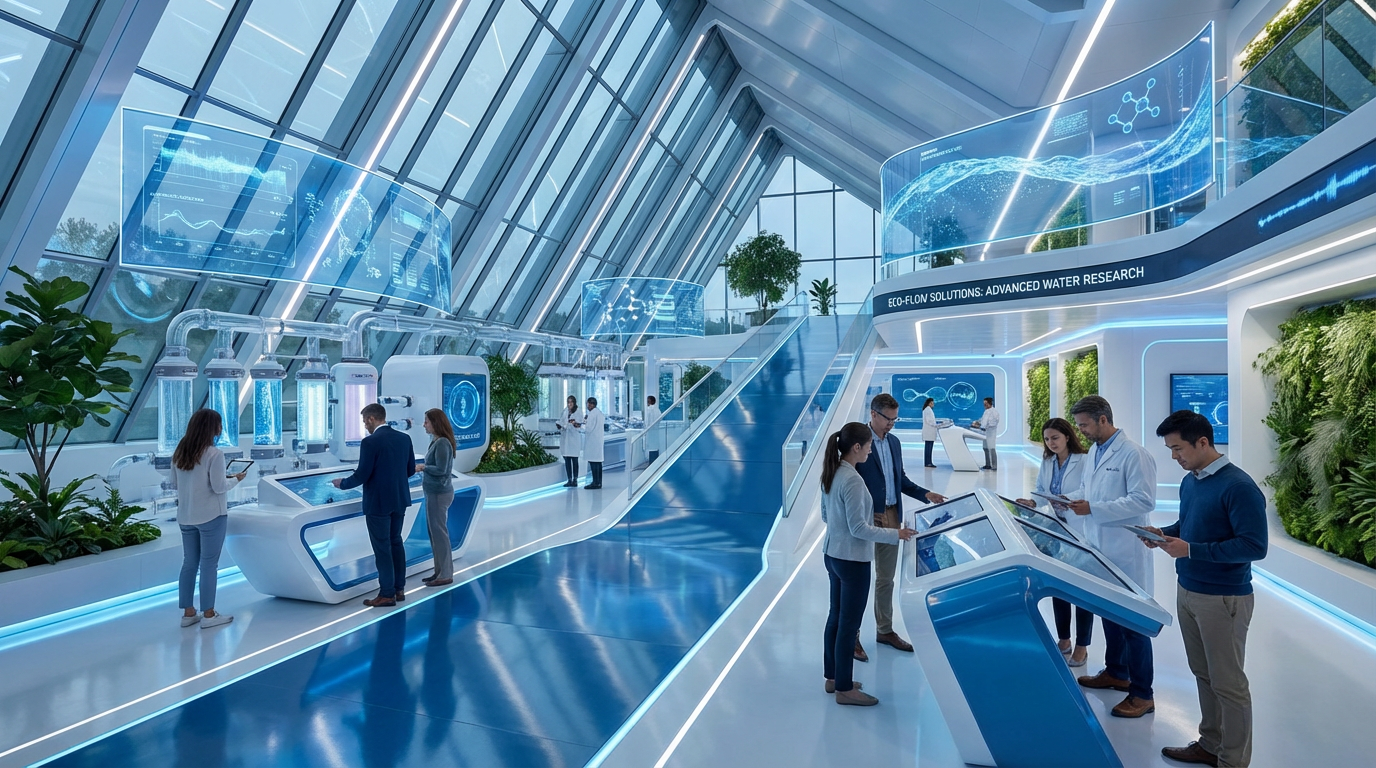
The Advanced Water & Wastewater Treatment training course is an intensive 5-day professional program designed for experienced operators, engineers, and managers seeking mastery of cutting-edge treatment technologies and optimization strategies. This expert-level course explores emerging contaminants, advanced treatment processes, membrane technologies, nutrient removal, resource recovery, and sustainable water management practices. Combining theoretical depth with practical applications, this training prepares participants to tackle complex water quality challenges, implement innovative solutions, and lead operational excellence in modern water and wastewater treatment facilities.
Target Audience for Advanced Treatment Training
Experienced water and wastewater treatment operators (Grade 3-4)
Process engineers and design consultants
Plant managers and operations directors
Environmental engineers specializing in advanced treatment
Regulatory compliance specialists
Research and development professionals
Utility planners and capital project managers
Industrial wastewater treatment specialists
Water quality scientists and technical advisors
Technology vendors and equipment specialists
Day 1: Membrane Technologies & Advanced Filtration Systems
Morning Session: Membrane Filtration Fundamentals & Applications
Next-Generation Treatment:
Membrane technology represents the future of water and wastewater treatment, offering superior removal capabilities and enabling water reuse for potable and non-potable applications.
Core Topics:
Membrane classification: microfiltration (MF), ultrafiltration (UF), nanofiltration (NF), reverse osmosis (RO)
Pressure-driven vs. osmotic-driven membrane processes
Membrane materials: polymeric, ceramic, composite membranes
Rejection mechanisms: size exclusion, charge repulsion, adsorption
Transmembrane pressure (TMP) and flux relationships
Concentration polarization and boundary layer effects
Membrane module configurations: hollow fiber, spiral wound, tubular, flat sheet
Direct filtration vs. submerged membrane systems
Membrane bioreactor (MBR) technology and applications
Forward osmosis (FO) and emerging membrane technologies
Afternoon Session: Membrane Operations & Fouling Management
Optimizing Membrane Performance:
Membrane fouling mechanisms: particulate, organic, inorganic, biological
Fouling prediction models and monitoring strategies
Critical flux concept and sustainable flux operation
Backwashing protocols: frequency, intensity, duration optimization
Chemically enhanced backwash (CEB) procedures
Clean-in-place (CIP) protocols and chemical selection
Membrane integrity testing: pressure decay, bubble point, particle challenge
Normalized performance parameters: flux, pressure, rejection
Membrane autopsy and failure analysis techniques
Pretreatment strategies for fouling mitigation
Workshop Exercise: Membrane system design calculations, fouling diagnosis case studies, and cleaning protocol development
Day 2: Advanced Biological Nutrient Removal (BNR) Processes
Morning Session: Nitrogen Removal Technologies
Enhanced Biological Treatment:
Nitrogen transformation pathways: ammonification, nitrification, denitrification
Autotrophic nitrification: Nitrosomonas and Nitrobacter kinetics
Alkalinity consumption and pH impacts during nitrification
Separate-stage vs. single-stage nitrification systems
Denitrification stoichiometry and carbon source requirements
Anoxic zone design and internal recycle optimization
Modified Ludzack-Ettinger (MLE) process configuration
Step-feed and four-stage Bardenpho processes
Simultaneous nitrification-denitrification (SND) phenomena
Deammonification and anammox (anaerobic ammonium oxidation) technology
Shortcut nitrogen removal: nitrite shunt strategies
Total nitrogen removal to ultra-low limits (<3 mg/L)
Afternoon Session: Phosphorus Removal & Integrated BNR Systems
Complete Nutrient Management:
Enhanced biological phosphorus removal (EBPR) mechanisms
Polyphosphate accumulating organisms (PAOs) metabolism
Anaerobic-aerobic sequencing for luxury phosphorus uptake
Volatile fatty acids (VFA) requirements and carbon optimization
Chemical phosphorus removal: metal salt precipitation
Simultaneous chemical and biological phosphorus removal
A²O (Anaerobic-Anoxic-Oxic) process configuration
Five-stage Bardenpho and University of Cape Town (UCT) processes
Sequencing batch reactors (SBR) for BNR applications
Integrated fixed-film activated sludge (IFAS) systems
Moving bed biofilm reactor (MBBR) for nutrient removal
Process control strategies and advanced monitoring
Technical Analysis: Evaluating BNR performance data, optimizing operational parameters, and troubleshooting process failures
Day 3: Advanced Oxidation & Disinfection Technologies
Morning Session: Advanced Oxidation Processes (AOPs)
Destroying Recalcitrant Contaminants:
Hydroxyl radical (•OH) chemistry and oxidation potential
UV/hydrogen peroxide (UV/H₂O₂) process design
Ozone-based AOP systems: O₃/H₂O₂, O₃/UV combinations
Fenton and photo-Fenton reactions for organic destruction
Electrical energy per order (EE/O) calculations
Contaminant-specific AOP selection and optimization
Pharmaceuticals and personal care products (PPCPs) removal
Per- and polyfluoroalkyl substances (PFAS) treatment strategies
Endocrine-disrupting compounds (EDCs) degradation
1,4-dioxane removal technologies
Micropollutant transformation products and toxicity assessment
Economic evaluation and lifecycle cost analysis
Afternoon Session: Advanced Disinfection & Pathogen Control
Multi-Barrier Protection:
Ultraviolet (UV) disinfection: low-pressure vs. medium-pressure lamps
UV dose validation and bioassay testing procedures
UV reactor hydraulics and computational fluid dynamics (CFD)
UV/LED technology: emerging solid-state disinfection
Ozonation: generation, dissolution, and contact system design
Ozone CT requirements and bromate formation control
Chlorine dioxide generation and application advantages
Peracetic acid (PAA) for wastewater disinfection
Mixed oxidant solutions and electrochemically activated water
Cryptosporidium and Giardia inactivation requirements
Virus and emerging pathogen control strategies
Disinfection byproduct (DBP) minimization across treatment trains
Laboratory Demonstration: UV intensity measurement, ozone residual testing, and disinfection efficacy evaluation methods
Day 4: Resource Recovery & Sustainable Treatment Systems
Morning Session: Energy Recovery & Optimization
Water-Energy Nexus Management:
Energy consumption benchmarking in treatment facilities
Anaerobic digestion optimization for biogas production
High-rate anaerobic processes: UASB, EGSB, IC reactors
Thermal hydrolysis pretreatment for enhanced digestion
Combined heat and power (CHP) systems and cogeneration
Biogas upgrading to renewable natural gas (RNG)
Energy-positive wastewater treatment concepts
Mainstream anaerobic treatment technologies
Microbial fuel cells and bioelectrochemical systems
Heat recovery from wastewater streams
Process intensification for energy reduction
Variable frequency drives (VFDs) and smart aeration control
Afternoon Session: Nutrient & Resource Recovery Technologies
Circular Economy Applications:
Phosphorus recovery as struvite (magnesium ammonium phosphate)
Crystallization reactors: fluidized bed and stirred tank designs
Ammonia stripping and recovery technologies
Ion exchange for selective nutrient capture
Algae cultivation for nutrient removal and biomass production
Biosolids management: Class A vs. Class B standards
Thermal drying and pelletization for beneficial reuse
Pyrolysis and gasification for energy recovery
Heavy metal recovery from industrial wastewater
Water reuse and reclamation: direct and indirect potable reuse
Fit-for-purpose water treatment for industrial applications
Zero liquid discharge (ZLD) systems and crystallizers
Case Studies: Successful resource recovery implementations, economic analysis, and sustainability metrics evaluation
Day 5: Emerging Contaminants, Smart Systems & Future Technologies
Morning Session: Emerging Contaminants & Treatment Strategies
Next-Generation Water Quality Challenges:
PFAS (per- and polyfluoroalkyl substances): occurrence and health effects
PFAS treatment technologies: granular activated carbon (GAC), ion exchange, advanced oxidation
1,4-dioxane: sources, analytical methods, and destruction technologies
Microplastics in water and wastewater: detection and removal
Antibiotic resistance genes (ARGs) and horizontal gene transfer
Nanoparticles in wastewater: engineered nanomaterials fate
Cyanotoxins: microcystin, cylindrospermopsin detection and treatment
Taste and odor compounds: geosmin and MIB removal strategies
Algal toxin barriers: oxidation, adsorption, biological degradation
Analytical challenges: ultra-trace detection and matrix effects
Risk assessment and regulatory development for emerging contaminants
Afternoon Session: Digital Water & Smart Treatment Systems
Industry 4.0 Applications:
Real-time monitoring: online sensors and analyzer technologies
SCADA evolution: cloud-based platforms and remote operations
Machine learning and artificial intelligence for process optimization
Predictive maintenance using IoT sensors and data analytics
Digital twins: virtual modeling for operational optimization
Advanced process control (APC) algorithms
Model predictive control (MPC) for treatment systems
Big data analytics and performance benchmarking
Cybersecurity threats and protection strategies for water infrastructure
Blockchain for water quality data integrity
Augmented reality (AR) for maintenance and training
Autonomous operations and decision support systems
Future Technologies & Innovation Forum
Cutting-Edge Developments:
Electrochemical treatment: electrodialysis, capacitive deionization
Catalytic membrane reactors for simultaneous treatment
Advanced ceramic membranes for extreme conditions
Graphene-based separation technologies
Plasma technology for water treatment
Supercritical water oxidation (SCWO)
Nature-based solutions integration with advanced treatment
Decentralized treatment systems and modular technologies
Space-constrained treatment innovations
Climate resilience and adaptive treatment strategies
Final Workshop: Designing an advanced treatment facility integrating multiple technologies, sustainability features, and smart operations for specific water quality objectives
Comprehensive Course Materials & Professional Development
Complete Training Package:
Advanced Water & Wastewater Treatment manual (500+ pages)
Process design software and modeling tools
Technology comparison matrices and selection guides
Economic evaluation templates and lifecycle cost models
Regulatory guidance for emerging contaminants
Operation and maintenance best practice guides
Troubleshooting decision trees for advanced processes
Peer-reviewed research paper compilation
Industry white papers and technical bulletins
Access to online learning portal with updates
Advanced Learning Methods:
Technical lectures with research-based content
Process modeling and simulation exercises
Laboratory demonstrations of emerging technologies
Virtual facility tours of advanced treatment plants
Expert panel discussions with industry leaders
Collaborative problem-solving workshops
Technology vendor presentations
Real-world design challenges and solutions
Key Learning Outcomes:
Participants will master:
Selection and design of advanced membrane systems
Optimization of biological nutrient removal processes
Implementation of advanced oxidation technologies
Resource recovery strategies for sustainability
Emerging contaminant treatment approaches
Digital transformation and smart operations
Economic evaluation and technology comparison
Integration of multiple advanced treatment processes
Regulatory navigation for innovative technologies
Leadership in operational excellence and innovation
Professional Recognition:
Certificate of Advanced Specialization
40 continuing education units (CEUs)
Professional networking with industry experts
Eligibility for advanced operator certification paths
Publication of capstone project in course proceedings
Enroll in Advanced Water & Wastewater Treatment training and position yourself at the forefront of water treatment innovation, mastering the technologies and strategies that define excellence in modern water resource management and environmental protection.